
Sign in


Wishlist
0

Cart
Understanding Your Canine's Eating Habits
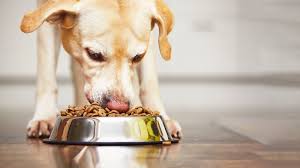
Ever put down a bowl of kibble only for it to vanish in mere seconds? If your dog inhales their food faster than you can say "sit," you're not alone! Many dog owners witness this speedy eating, and while it can be amusing, it's also worth understanding the reasons behind it and what you can do to help.
Here's a look at why your dog might be eating so quickly:
Instinct and Evolution: The Ancestral Feast
In the wild, dogs' ancestors were opportunistic eaters. Food sources were often scarce and competition was high. When a meal was found, it was crucial to eat it quickly before other pack members or predators could snatch it away. This ingrained instinct to "eat now, or lose it" is still present in many modern dogs, even if their next meal is guaranteed.
Competition (Even Imagined):
If you have multiple pets in your home, your dog might feel a sense of competition, even if it's subtle. They might perceive that they need to eat quickly to ensure they get their share before another pet (or even a human!) might take it. This can also apply if they were once in a multi-dog environment like a shelter or a large litter.
Hunger and Meal Frequency:
It might sound obvious, but a genuinely hungry dog will eat faster. If there's a long gap between meals, or if your dog isn't getting quite enough food for their activity level, they'll be more eager to gobble it down.
The Food Itself:
Sometimes, the type of food can play a role. Highly palatable foods, especially those with strong aromas, can encourage faster eating. Also, if the kibble is very small, it might be easier for them to swallow without much chewing.
Underlying Medical Conditions:
While less common, rapid eating can sometimes be linked to medical issues. Conditions that cause increased hunger (like diabetes or thyroid problems) or issues that make it difficult to absorb nutrients (like malabsorption syndromes) could lead to a dog trying to consume more food quickly. If your dog suddenly starts eating much faster than usual, or shows other concerning symptoms, it's always best to consult your veterinarian.
Boredom or Lack of Enrichment:
For some dogs, eating quickly might be a habit developed out of boredom. If they don't have enough mental stimulation or opportunities to "work" for their food, mealtime becomes the most exciting part of their day, and they rush through it.
Why is Eating Too Fast a Problem?
Beyond the messy eating, rapid consumption can lead to:
Bloat (Gastric Dilatation-Volvulus - GDV): This is a life-threatening condition, particularly in large, deep-chested breeds, where the stomach fills with gas and can twist. Eating too fast can increase the risk.
Choking: Dogs can choke on food if they don't chew it properly.
Indigestion and Vomiting: Swallowing air along with food can lead to discomfort, gas, and regurgitation.
Reduced Nutrient Absorption: If food isn't properly chewed, it can be harder for the digestive system to break it down and absorb nutrients.
How to Slow Down Your Speedy Eater:
The good news is there are many effective ways to encourage slower eating:
Slow Feeder Bowls: These bowls have obstacles or mazes that force your dog to eat around them, significantly slowing down their pace.
Puzzle Feeders/Food Dispensing Toys: Turn mealtime into a game! These toys require your dog to work for their food, dispensing small amounts as they play.
Spread Out Food: Scatter your dog's kibble across a clean floor, a snuffle mat, or a baking sheet. This makes them "hunt" for each piece.
Multiple Small Meals: Instead of one or two large meals, try feeding smaller portions more frequently throughout the day.
Add Water or Broth: Mixing water or low-sodium, unsalted broth into their kibble can make it harder to gulp down quickly.
Elevated Bowls (with caution): While sometimes recommended, elevated bowls can, for some dogs, actually increase the risk of bloat. Discuss this with your vet.
Separate Feeding: If you have multiple pets, feed them in separate rooms to eliminate perceived competition.
Consult Your Vet: If you're concerned about a sudden change in eating habits or suspect an underlying health issue, always consult your veterinarian.
By understanding the reasons behind your dog's rapid eating and implementing some simple strategies, you can help them enjoy their meals more safely and comfortably, promoting better digestion and overall health.
The Paws on Central Solution:
The solution is mechanical! We highly recommend a slow feeder bowl or a puzzle toy to physically separate the food and force your dog to work for each bite. This slows consumption, improves digestion, and turns mealtime into a positive, enriching activity, reinforcing our commitment to Inside-Out Wellness.