
Sign in


Wishlist
0

Cart
Be Your Pet's Hero: Essential First Aid Skills Every Owner Should Know
Our pets are family, and just like any family member, they can face unexpected accidents or medical emergencies. In those critical moments, knowing basic first aid can make a life-saving difference. While professional veterinary care is always the ultimate goal, being equipped with essential first aid skills allows you to provide immediate care, stabilize your pet, and potentially improve their chances of a full recovery. Let's explore some crucial first aid skills every responsible pet owner should know.
Disclaimer: This blog post provides general first aid information and is NOT a substitute for professional veterinary care. Always seek immediate veterinary attention for any serious pet emergency.
Recognizing the Signs of an Emergency:
The first step in providing aid is recognizing when your pet needs it. Be aware of these common signs of a pet emergency:
* Difficulty breathing or choking: Obvious distress, gasping, blue-tinged gums or tongue.
* Severe bleeding: Uncontrolled blood loss.
* Loss of consciousness or unresponsiveness: Not reacting to your voice or touch.
* Seizures: Uncontrolled shaking or tremors.
* Sudden collapse or inability to stand.
* Signs of extreme pain: Whimpering, howling, restlessness, aggression when touched.
* Vomiting or diarrhea with blood.
* Suspected poisoning: Tremors, excessive drooling, vomiting, difficulty breathing.
* Sudden changes in behavior: Extreme lethargy, disorientation.
* Eye injury.
* Heatstroke: Excessive panting, weakness, collapse (especially in hot weather).
If you observe any of these signs, contact your veterinarian or the nearest emergency veterinary clinic immediately.
Basic Restraint and Muzzling (for Safety):
In an emergency, even the most docile pet might bite or scratch due to pain or fear. Knowing how to safely restrain your pet is crucial to protect yourself and others while providing aid.
* Gentle Restraint: Use calm, reassuring tones. For small pets, gently wrap them in a towel. For larger dogs, have someone assist you in holding them firmly but gently.
* Emergency Muzzle (Dog): If your dog is in pain or distress, you may need to muzzle them for your safety. You can use a commercially available muzzle or create a temporary one with a soft cloth or bandage. Loop it around their snout, cross it under their chin, and tie it behind their ears. Do not muzzle a dog that is vomiting or having difficulty breathing.
Assessing Your Pet's Vital Signs:
Understanding your pet's normal vital signs can help you recognize when something is wrong.
* Respiratory Rate: Count the number of breaths your pet takes in 15 seconds and multiply by four. Normal rates vary by species and size but are generally 10-30 breaths per minute for dogs and cats.
* Heart Rate: Feel for a pulse on the inside of their hind leg, in the groin area. Count the number of beats in 15 seconds and multiply by four. Normal rates vary but are generally 60-160 beats per minute for dogs and 140-220 beats per minute for cats.
* Capillary Refill Time (CRT): Gently press on their gums until they turn pale, then release. The color should return to pink within 1-2 seconds. A prolonged CRT can indicate poor circulation or dehydration.
* Temperature: The most accurate way to take a pet's temperature is rectally using a digital thermometer lubricated with petroleum jelly. Normal ranges are typically 100-102.5°F (37.8-39.2°C) for dogs and cats.
Managing Common Emergencies:
Here's a basic overview of how to handle some common pet emergencies before reaching veterinary care:
Bleeding:
* Apply Direct Pressure: Use a clean cloth or bandage to apply firm, direct pressure to the wound. Elevate the injured area if possible.
* Tourniquet (Last Resort): Only use a tourniquet for severe, life-threatening bleeding on a limb that cannot be controlled with direct pressure. Apply it tightly above the wound and loosen it for 15-20 seconds every 15-20 minutes. Seek immediate veterinary attention.
Choking:
* Check the Airway: Carefully open your pet's mouth and look for any visible obstruction. If you see something, try to gently remove it with your fingers (be cautious of being bitten).
Heimlich Maneuver (Dog): For larger dogs, give sharp upward thrusts just below the rib cage. For smaller dogs, hold them upside down and give sharp thrusts below the rib cage.
Heimlich Maneuver (Cat/Small Dog): Hold them upside down and give sharp thrusts just below the rib cage.
Burns:
- Thermal Burns: Cool the affected area immediately with cool (not ice-cold) water for 10-15 minutes. Do not apply ointments unless directed by your vet.
- Chemical Burns: Flush the area with copious amounts of water for at least 15 minutes. Contact your vet or a pet poison helpline immediately.
Poisoning:
* Do NOT Induce Vomiting Unless Directed: Many substances can cause more damage on the way back up.
* Call for Help Immediately: Contact your veterinarian or the ASPCA Animal Poison Control Center (1-888-426-4435) or Pet Poison Helpline (1-855-764-7661). Have the suspected substance and amount ingested readily available. Follow their instructions carefully.
Heatstroke:
* Move to a Cool Area: Get your pet out of the heat immediately.
* Cool Them Down: Offer small amounts of cool water to drink (if conscious). Apply cool, wet towels to their body, especially the neck, armpits, and groin area. Do not use ice-cold water, as this can cause shock.
* Seek Immediate Veterinary Care: Heatstroke is a life-threatening emergency.
Seizures:
* Clear the Area: Protect your pet from injuring themselves by moving furniture or sharp objects away.
* Do NOT Restrain Them: Allow the seizure to run its course.
* Time the Seizure: Note how long the seizure lasts.
* Keep Them Cool and Quiet: Once the seizure stops, keep your pet in a quiet, cool environment.
Seek Veterinary Care: Even if the seizure stops, it's crucial to have your pet examined.
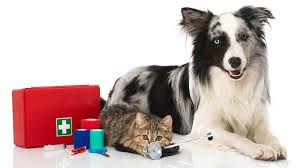
Building Your Pet First Aid Kit:
Having a well-stocked pet first aid kit readily available is essential. Here are some key items to include:
* Pet first aid manual
* Your veterinarian's contact information and the number for a local emergency clinic
* Gauze pads and rolls
* Adhesive tape
* Non-stick bandages
* Blunt-tipped scissors
* Tweezers
* Antiseptic wipes or solution (chlorhexidine or povidone-iodine)
* Digital thermometer and lubricant
* Syringe or eyedropper for administering fluids or medications
* Muzzle (commercial or materials to make a temporary one)
* Small blanket or towel
* Pet carrier
Keep your first aid kit in an easily accessible location and check it regularly to replenish used items or expired medications.
The Importance of Preparation:
Knowing basic pet first aid can empower you to act quickly and effectively in an emergency. Take the time to learn these skills, assemble a first aid kit, and have emergency contact information readily available. By being prepared, you can become your pet's hero and significantly improve their chances of a positive outcome during a critical situation. Remember, prompt veterinary care is always the ultimate goal, and your first aid efforts are crucial in bridging the gap until professional help arrives.
The Paws Solution: We carry crucial emergency supplies—from pet-safe antiseptics and calming supplements to specialized paw balms and safety harnesses. Stop guessing about emergency preparation. Ask a Paws Expert how to assemble a simple, life-saving pet first aid kit today!